Bridal
Settle the look at the trial, not on the morning
The single biggest cause of a bad wedding morning is a decision left until the wedding morning.
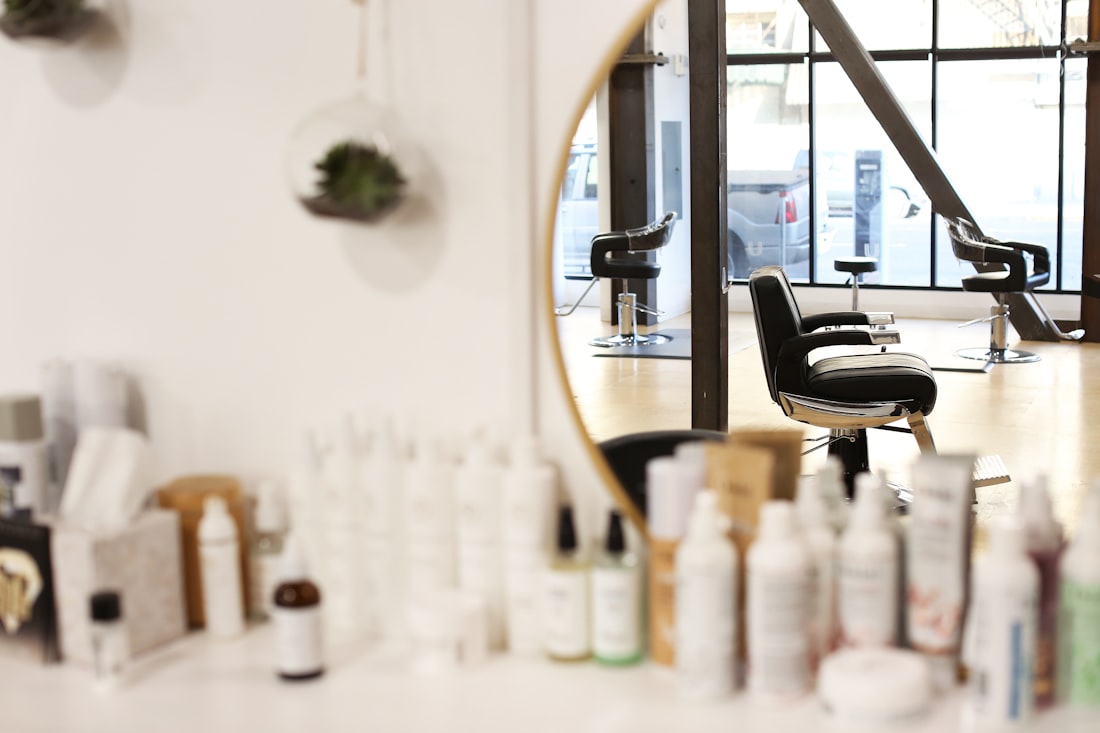
A bridal trial is not a rehearsal for the artist. It is the meeting where the decisions get made, so that the morning is execution rather than discussion. Treat it as the working session it is and the day itself becomes far less frightening.
Bring the outfit, or at the very least the dupatta and the jewellery. This is the single most useful thing you can do. Colour reads completely differently against a red lehenga than against pastel, and a look that is beautiful in isolation can fight the outfit entirely. Jewellery decides the hair. A heavy maang tikka, a nath, or jhumkas that sit on the shoulder each rule out different shapes, and finding that out on the morning costs an hour nobody has.
Bring a photograph of how your hair behaves in humidity, and be honest about it. Ahmedabad in wedding season is not a neutral environment, and a style that holds in an air-conditioned salon can drop within two hours in a mandap. An artist who knows your hair goes soft will build differently from the start rather than fighting it later with product.
Photograph the finished trial in daylight, and step outside to do it. Salon lighting is designed to be flattering and it is doing you no favours here. The ceremony will be in daylight, in a hall with fluorescent tubes, or under photographers' lights, and makeup that reads perfectly under warm salon light can look heavy or ashen under any of those three. Take pictures on your own phone, not the salon's, and look at them the next day rather than in the moment.
Talk through the whole run of functions, not just the wedding. A Gujarati wedding is rarely one appointment. Grah Shanti, Mehendi, Haldi, Sangeet, the wedding itself and the reception are six different looks with six different requirements, and Haldi in particular has implications nobody mentions until turmeric meets a full base. Agreeing the sequence at the trial lets someone plan which looks build on each other and which need a clean start.
Agree three things before you leave the trial. The exact look, written down or photographed rather than remembered. The start time on the day, counted backwards from when you have to be somewhere rather than forwards from when you would like to begin. And what happens if the schedule slips, because it usually does. A wedding morning has no spare hour in it, and the question of what gets shortened is much easier to answer calmly a month in advance than in the room.
Ask who is actually doing your face on the day. In a large salon the person at the trial is not always the person on the morning, and there is nothing wrong with that as long as you know. If it is a different artist, ask to meet them or at least to have the trial notes handed over properly.
Ask about travel, timing and what the fee covers. Does the artist come to you or do you come in. Is a second person included for the family. What is the cost if the ceremony is outside Ahmedabad. Is a touch-up kit provided, and does anyone stay for the reception. None of these are awkward questions. They are the ones that turn into arguments on the day if they were never asked.
Finally, book the trial far enough ahead that a second one is possible. If the first trial is two weeks before the wedding and you dislike it, you have no room. Six to eight weeks gives you a second attempt without panic.
AMI runs bridal out of the Luxe Studio in South Bopal as a booked-out room rather than a slot between walk-ins, and the pre-wedding trial fee is deducted from the wedding-day total if you book the day with us.